The Great Suffix of Our Times: When the World Decided to Go Chinamaxxing
我们这个时代的伟大后缀:当世界决定全面中国化
by Hugo Tseng 作者:雨果·曾
[In Focus] [聚焦]
Share Article: 分享文章:
Credit: AIGC来源:AIGC
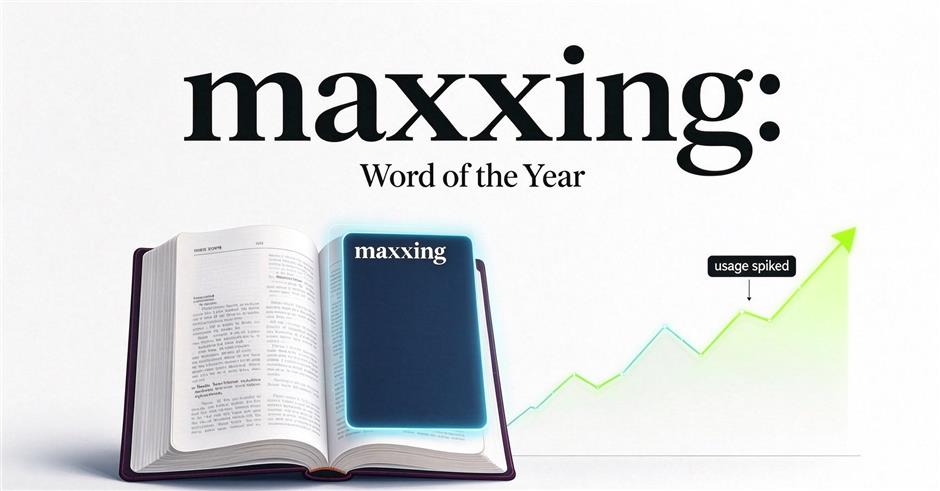
Caption: “Maxxing” became a standout word in 2026.说明:“Maxxing”成为2026年的热门词汇。
On October 26, Dictionary.com crowned “maxxing” its 2026 Word of the Year, edging out finalists “affordability,” “data center,” “odyssey,” and “unc.” What made the choice notable was not just the word’s ubiquity but its evolution. Maxxing began life as a mere suffix, bolted onto other words, and has now come into its own as a standalone verb, as in “I’m maxxing everything I can.”10月26日,Dictionary.com将“maxxing”评为2026年度词汇,击败了入围的“affordability(可负担性)”、“data center(数据中心)”、“odyssey(冒险之旅)”和“unc(不确定的)”。这一选择的特别之处不仅在于该词的普及度,更在于它的演变。“Maxxing”最初只是一个后缀,依附于其他单词使用,如今已发展为独立动词,例如“我正在尽我所能做到极致”。
It is a linguistic promotion that mirrors the very culture of optimization it describes. In a year dominated by discussions of technology’s role in society, the editors noted, it was only natural to select a word forged online.这是一种语言层面的推广,它与所描述的“优化”文化如出一辙。编辑们表示,在这一年里,人们围绕科技在社会中的作用展开了大量讨论,因此选出一个在网络上诞生的词汇也就顺理成章了。
The numbers behind the decision were staggering: use of the term in American digital media spiked nearly 19-fold in August 2026 against the previous year’s monthly average.这一决定背后的数据令人震惊:2026年8月,该术语在美国数字媒体中的使用量较上一年的月均水平飙升了近19倍。
The honor was a long time coming, and the lexicographers had been circling. Merriam-Webster had already granted the term, sometimes spelled “-maxing,” full entry status as a noun combining form, defining it as “making an act or practice as effective and fruitful as possible.”这份荣誉实至名归,而词典编纂者们早已对此翘首以盼。《韦氏大学词典》已将这个有时拼作“-maxing”的词条收录为名词组合形式的完整词条,将其定义为“使某一行为或做法尽可能高效且富有成效”。
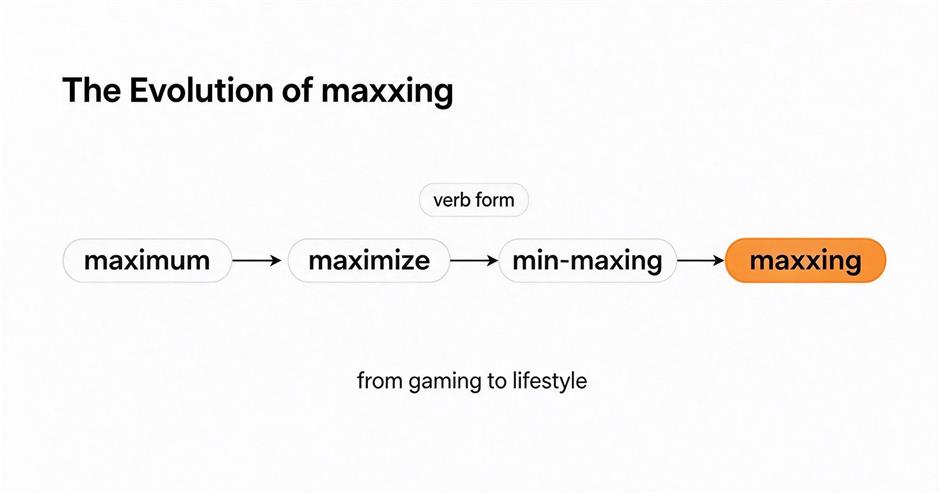
The etymology they traced is a small comedy of linguistic escalation. It runs from maximum to the verb maximize, then to the clipped max, then to the gaming term min-maxing, the art of cultivating a character’s strengths until weaknesses no longer matter. From there maxxing broke free, gained an extra x, and began attaching itself to virtually anything. By the mid-2010s it was thriving in online communities; today, Merriam-Webster notes, its use “often carries a self-aware, tongue-in-cheek quality, acknowledging the absurdity of optimizing certain aspects of one’s life.”他们追溯的词源是一场小小的语言升级闹剧。它从 maximum 出发,衍生出动词 maximize,再到缩略词 max,继而进入游戏术语 min-maxing——这是一种将角色优势培养到弱点不再构成威胁的技巧。从那里,maxxing 挣脱了束缚,多了一个字母 x,开始几乎被用在所有事物上。到21世纪10年代中期,它已在网络社群中流行开来;如今,《韦氏大学词典》指出,该词的使用“往往带有一种自我认知的、半开玩笑的意味,承认将生活中某些方面做到极致的行为本身有些荒诞”。
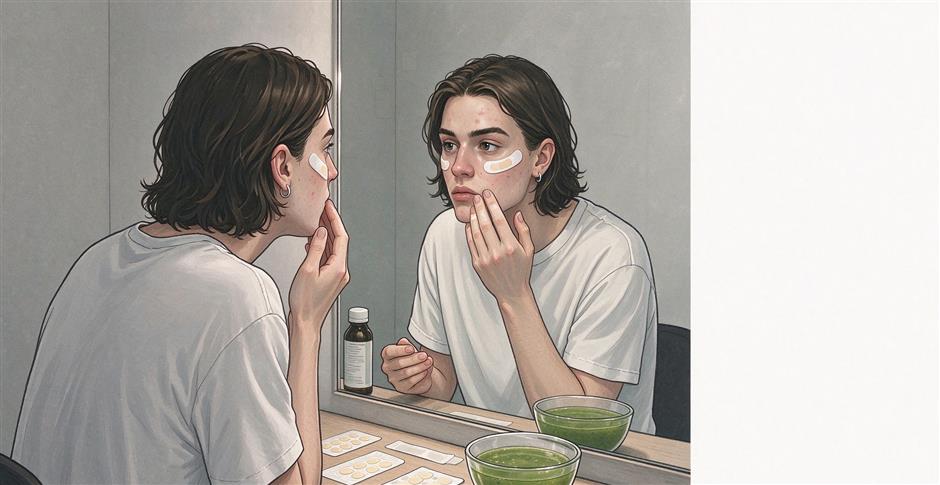
What exactly are we maxxing? Picture, if you will, a 20-something in a dimly lit apartment, meticulously applying a pimple patch, taping their jawline to prevent wrinkles, and drinking a green sludge of bone broth and collagen. They are not preparing for a medical procedure, nor are they a method actor in a dystopian sci-fi film. They are simply “looksmaxxing.”我们到底在卷什么?不妨想象一下:一个二十多岁的年轻人待在光线昏暗的公寓里,小心翼翼地贴上痘痘贴,用胶带固定下颌线以预防皱纹,还喝着由骨汤和胶原蛋白熬成的绿色糊糊。他们不是在为医疗手术做准备,也不是反乌托邦科幻电影里的方法派演员。他们只是在进行“颜值内卷”。
Credit: AIGC来源:AIGC
Caption: Looksmaxxing turned self-care into an online ritual.配文:颜值优化将自我护理变成了一种线上仪式。
The term that started it all has archived evidence stretching back to 2015. Its earliest communities were largely made up of young men in the manosphere; by 2021, offshoots like moneymaxxing and statusmaxxing were in circulation; by late 2025, The New York Times was spotting intentionally ridiculous variants like cozymaxxing and salmonmaxxing in the wild.开启这一切的这个术语有可追溯至2015年的相关记录。其最早的社群主要由男性主义圈的年轻男性组成;到2021年,财富最大化、地位最大化等衍生说法开始流行;到2025年末,《纽约时报》发现现实中出现了刻意造作的变体,比如舒适最大化、三文鱼最大化。
In 2026 the dam broke. Tokenmaxxing, a coinage born as companies incentivized employee use of artificial intelligence (AI), went mainstream, alongside comfortmaxxing, sleepmaxxing, gymmaxxing, and even normalmaxxing, a poignant, anti-hustle declaration by a generation exhausted by the tyranny of self-improvement. A word associated with one particular corner of the internet has become a recognizable template that people everywhere have started using.2026年,堤坝决堤。随着企业鼓励员工使用人工智能(AI)而诞生的新词“代币内卷”成为主流,与之相伴的还有“舒适内卷”“睡眠内卷”“健身内卷”,甚至还有“普通内卷”——这是被自我完善的暴政榨干精力的一代人发出的辛酸反内卷宣言。一个源自互联网特定角落的词汇,已然成为了一个辨识度极高的模板,各地的人们都开始使用它。
Credit: AIGC来源:AIGC
Caption: “Maxxing” grew from a suffix into a lifestyle template.配文:“极致化”从一个后缀演变成了一种生活方式模板。
One Suffix to Rule Them All: Enter Chinamaxxing一个后缀统领一切:“中国极致化”来袭
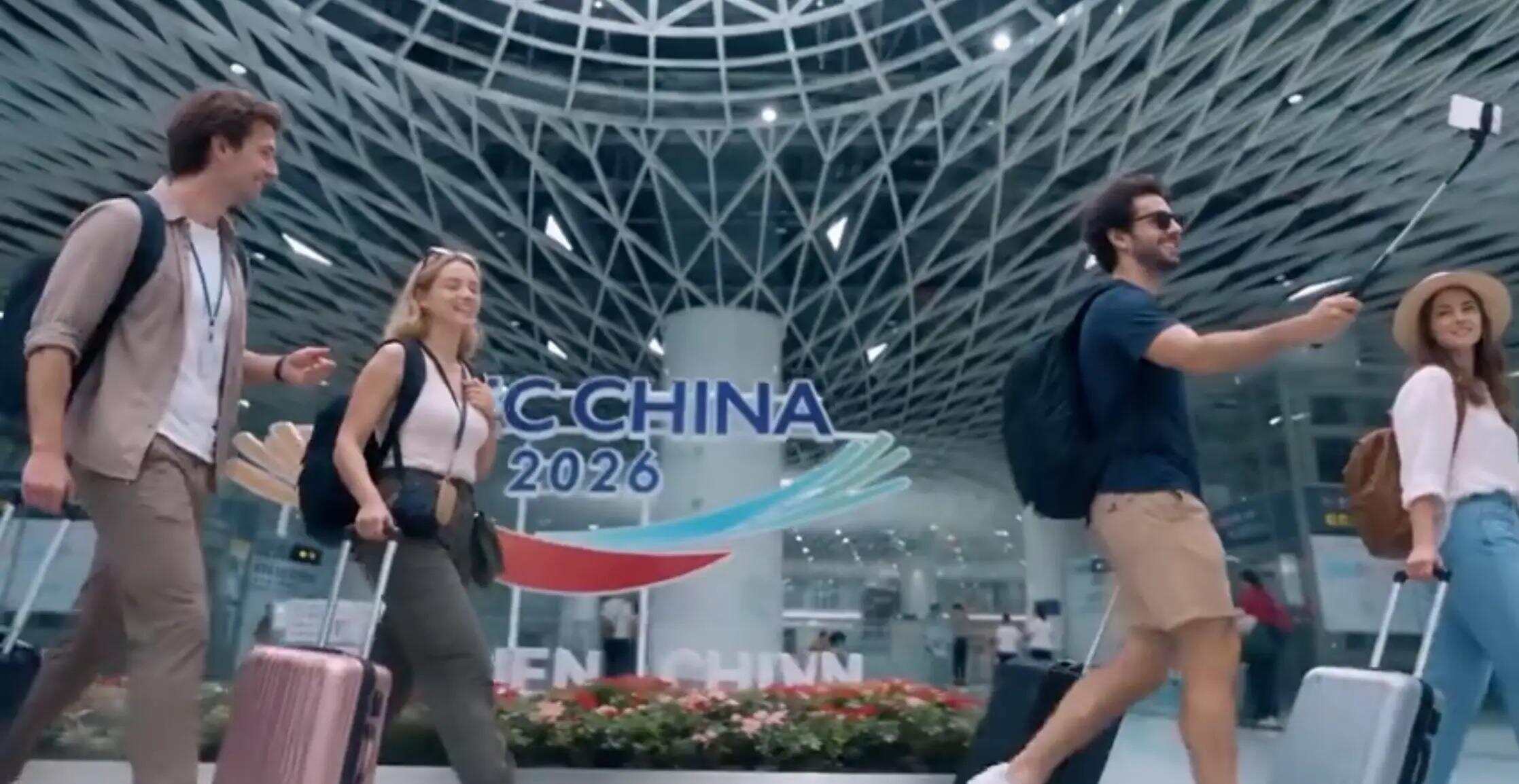
But as we survey the landscape of our obsessive tendencies, one particular iteration has broken out of the digital echo chamber and spilled into the physical world with unprecedented force. It is, quite simply, “Chinamaxxing.”但当我们审视自身的沉迷倾向时,有一类特定的表现形式已经突破了数字回声室的束缚,以前所未有的力度渗透到了现实世界。简单来说,这就是“卷中国式内卷”。
This is no fringe subculture. On TikTok, the #Chinamaxxing hashtag has amassed over 4 billion views, while the broader “China travel” tag has eclipsed 28 billion. The data on the ground corroborates the digital enthusiasm: foreign arrivals in China grew by 20.4 percent in the first half of 2026, with visa-free policies quietly redrawing the itineraries of travelers from Kuala Lumpur to Frankfurt.这并非小众亚文化。在抖音上,#中国风穿搭 话题标签已累计获得超过40亿次观看,而更广泛的“中国旅游”标签则突破了280亿次。实地数据也印证了这种网络热潮:2026年上半年,中国入境游客数量增长了20.4%,免签政策正悄然改变着从吉隆坡到法兰克福各地旅行者的行程安排。
And Chinamaxxing is not merely about tourism. It is a lifestyle-level adoption of Chinese habits: the Westerner who has replaced their morning iced latte with a thermos of hot water; who has swapped high-intensity interval training for the slow, deliberate movements of Baduanjin; who finds more solace in a bowl of congee than in avocado toast; who has mastered mobile payments, orders delivery at 2am, and is currently binge-watching a 60-episode historical drama with English subtitles, whether they happen to be in Chengdu, in Paris, or in a studio apartment in Ohio.而“中国化”远不止关乎旅游。它是一种生活方式层面的中式习惯融入:西方人把早上的冰拿铁换成了一壶热水;将高强度间歇训练换成了八段锦舒缓、从容的招式;比起牛油果吐司,他们更偏爱一碗粥带来的慰藉;他们熟练使用移动支付,凌晨两点下单外卖,眼下正沉迷追一部60集的英文字幕历史剧——无论身处成都、巴黎,还是俄亥俄州的一间单身公寓里。
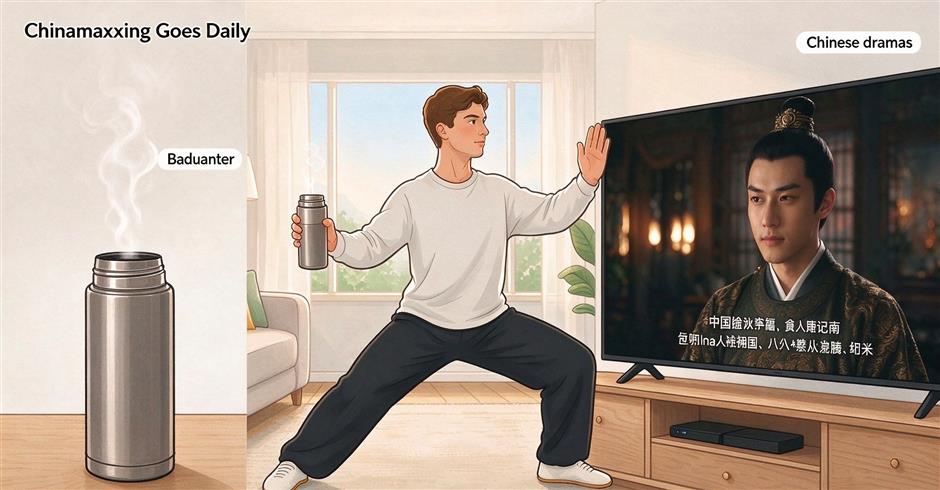
Credit: AIGC来源:AIGC
Caption: Chinamaxxing brought Chinese habits into daily life.配文:Chinamaxxing 让中式习惯融入了日常生活。
A Cultural Barometer Reading the Other Way反向解读的文化晴雨表
Why has this particular culture become the object of our collective maxxing? Scholars have begun to take the question seriously.为什么这种特定的文化成了我们集体追捧的对象?学者们已经开始认真探讨这个问题了。
Wang Wen of Renmin University reads Chinamaxxing as a “cultural barometer,” a reflection of shifting global tectonic plates. For decades, the West exported its lifestyle as the universal standard of modernity; to “American-maxx” or “Euro-maxx” was to aspire to a presumed pinnacle of development. Tsinghua University’s Shi Anbin puts it more plainly: the trend is fundamentally about “development achievements winning attention and respect.” Now the vector has reversed, not through proclamation, but through the cumulative evidence of 28 billion views.中国人民大学的王文将“中国潮”解读为一个“文化晴雨表”,它折射出全球格局的深刻变迁。数十年来,西方将自身的生活方式奉为现代性的普世标准,追求“美式顶配生活”或“欧式顶配生活”曾是人们向往的发展巅峰。清华大学的史安斌则说得更为直白:这一趋势的核心本质是“发展成就赢得了关注与尊重”。如今,这一趋势已然逆转,这并非靠一纸宣言宣告,而是凭借280亿次播放量所积累的事实佐证。
Chinamaxxing is, in part, a rebellion against the exhausting, individualistic optimization of Western life. When you “sleepmaxx” in a Western context, you might buy a US$3,000 mattress and a subscription to a meditation app. When you Chinamaxx, you soak your feet in hot water and accept that rest is a communal, traditional practice, not a purchased commodity. It is a search for a different kind of efficiency, one rooted in harmony and collective rhythm rather than relentless personal gain. The popularity of Chinese web novels, with their intricate plots and moral frameworks, or the parallel rise of “nonnamaxxing” (adopting the wisdom of an Italian grandmother, a spiritual cousin of Chinese familial values), points to a deep hunger for connection and tradition that hypermodern Western life often fails to provide.“极致中式养生”在一定程度上是对西方生活那种令人疲惫的个人主义式极致追求的反叛。在西方语境下,当你进行“极致睡眠养生”时,你可能会花3000美元买一张床垫,还订阅冥想应用程序。而当你践行“极致中式养生”时,你会用热水泡脚,并且明白休息是一种共享的、传统的生活方式,而非花钱就能买到的商品。这是在寻求另一种效率——这种效率根植于和谐与集体节奏,而非无休止的个人利益。中国网络小说凭借其错综复杂的情节和道德体系广受欢迎,与此同时,“极致意式养生”(效仿意大利祖母的生活智慧,这与中国的家庭价值观有着精神上的共通之处)也悄然兴起,这都表明人们极度渴望联结与传统,而这些恰恰是超现代的西方生活难以给予的。
This is not mere exoticism, nor a passing fad. It is a genuine, if sometimes awkward, attempt to integrate a different philosophy of living. The self-aware, tongue-in-cheek tone that Merriam-Webster attributes to “-maxxing” is crucial here. The young men and women on TikTok drinking hot water are not pretending to be Chinese; they are using the language of internet irony to explore a genuine curiosity, to test-drive a lifestyle that feels, to them, like an antidote to their own cultural fatigue. Whether you are reading this in São Paulo, Berlin, Nairobi, or Singapore, the trend is less a headline than a slow tide, arriving one thermos, one morning stretch, one subtitled episode at a time.这并非单纯的猎奇之举,也不是一时的流行风潮。这是一次真诚的尝试——尽管有时略显笨拙——旨在融入一种截然不同的生活哲学。韦氏词典赋予“-maxxing”一词那种自我认知、半开玩笑的语气,在此至关重要。抖音上喝热水的年轻男女并非假装自己是中国人;他们是借助网络反讽的语言,去表达真实的好奇,去体验一种在他们看来能消解自身文化疲惫的生活方式。无论你在圣保罗、柏林、内罗毕还是新加坡读到这段文字,这股趋势都不似头条新闻那般醒目,更像一股缓慢的潮流,以一个保温杯、一段晨间拉伸、一集带字幕剧集的节奏,缓缓涌来。
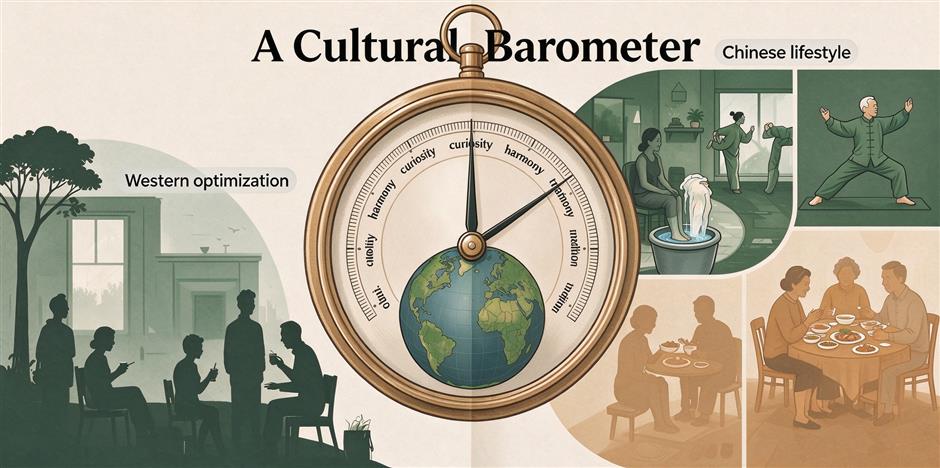
Credit: AIGC来源:AIGC
Caption: The trend reflects a search for connection and rhythm.说明:这一趋势反映了人们对联结与节奏的追寻。
The Most Sensible Optimization in Years数年来最明智的优化
So, as we close the book on 2026, let us not dismiss Chinamaxxing as just another entry in the dictionary of digital absurdity. It is, perhaps, the most significant cultural development of the year.因此,在我们为2026年画上句号之际,切莫将“极致中国风”(Chinamaxxing)仅仅视作数字荒诞词典里又一个词条。它或许是本年度最具标志性的文化现象。
In a world obsessed with maximizing everything, we have finally found something worth maximizing that isn’t about the self. We are maxxing our way toward a broader, more complex understanding of what it means to live well. And if, in the process, we end up drinking hot water and doing Baduanjin in our living rooms, well, that’s just the most sensible optimization we’ve made in years.在这个痴迷于将一切做到极致的世界里,我们终于找到了一件值得极致追求、且与自我无关的事。我们正通过不断突破自我,去更全面、更深刻地理解“好好生活”的真正含义。而如果在这个过程中,我们最终只是在客厅里喝着热水、打八段锦,那么,这便是我们数年来做出的最明智的优化。
The ultimate flex, it seems, is not a perfect jawline or a maximized bank account, but a little peace of mind, served warm.说到底,终极的炫耀并非完美的下颌线或满溢的银行存款,而是一份温热的小小心安。
Maxxingmaxxing, anyone? 极致生活,谁来试试?
(The author, who earned a PhD in linguistics at the University of Illinois Urbana-Champaign, is a professor of English at Sanda University, Shanghai.)(作者在伊利诺伊大学厄巴纳-香槟分校获得语言学博士学位,现任上海上海大学英语教授。)
Editor: Xu Qing 编辑:徐青