Using AI at Work: Shared Responsibility Starts with Clear Rules
职场中的人工智能:共同责任始于明确规则
by Zhu Yue 作者:朱悦
November 3, 2026 2026年11月3日
[In Perspective] [观点视角]
Share Article: 分享文章:
An employee uses an AI tool recommended by her manager to work more efficiently. A month later, she is dismissed for doing so. A recent Chinese labor dispute illustrates what happens when workplace expectations move faster than the rules governing them.一名员工使用经理推荐的人工智能工具来提高工作效率。一个月后,她却因此被解雇了。最近一起中国劳动纠纷揭示了当职场预期的发展速度超过相关规则的制定速度时,会发生什么。
The employee, identified as Wu, worked in legal affairs at an insurance company. The company dismissed her a month after she uploaded a table of audie issues to a third-party AI platform, arguing that uploading internal information created a serious disclosure risk.这位姓吴的员工在一家保险公司负责法务工作。她将一份审计问题表格上传至第三方人工智能平台后一个月,公司便将其解雇,理由是上传内部信息造成了严重的信息泄露风险。
Beijing’s Chaoyang District People’s Court found the dismissal unlawful. The company had neither established specific AI-use rules nor provided relevant training. The lesson is straightforward: Companies seeking productivity gains from AI must also provide the conditions for employees to use it responsibly.北京市朝阳区人民法院认定该解雇行为违法。该公司既未制定具体的人工智能使用规则,也未开展相关培训。这一教训十分明确:希望借助人工智能提升效率的企业,也必须为员工负责任地使用人工智能创造条件。
Artificial intelligence is transforming industries at an unprecedented pace, seamlessly integrating into our daily lives as people embrace an AI-powered lifestyle.人工智能正以前所未有的速度变革各个行业,随着人们接受人工智能驱动的生活方式,它正无缝融入我们的日常生活。
The growing reach of AI has also brought questions of safety and accountability to the fore. Recently, OpenAI Chief Executive Sam Altman said in an appearance before a UN Security Council on AI that the technology will expand opportunities but powerful systems must be kept under human control amid a need for international collaboration on AI safety.人工智能应用范围的不断扩大也将安全与问责问题推到了台前。近日,OpenAI 首席执行官山姆·奥特曼在联合国安理会关于人工智能的会议上表示,这项技术将带来更多机遇,但鉴于人工智能安全领域需要开展国际合作,强大的人工智能系统必须置于人类的控制之下。
As AI becomes more deeply embedded in the modern world, a central question arises: How can society harness its benefits while keeping its risks in check?随着人工智能在现代世界中嵌入得越来越深,一个核心问题随之而来:社会应如何在利用其益处的同时,控制其风险?
Credit: AI-generated来源:AI生成
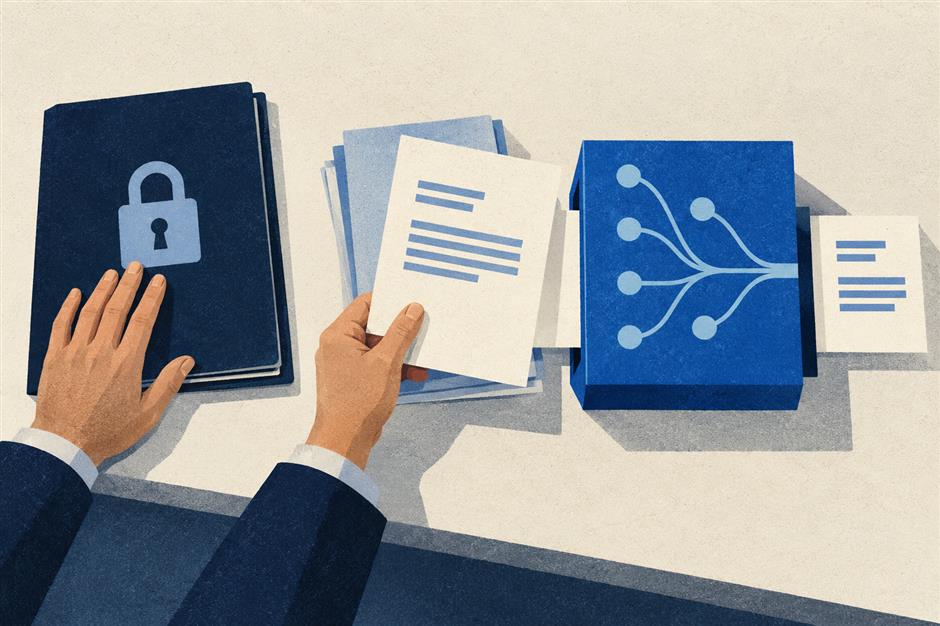
The legal case prompts us to rethink how workers should use AI, what safeguards must be provided and how companies need to clearly establish rules for its applications. Striking the right balance requires more than simply restricting AI use; it calls for shared responsibility between employers and employees.这起法律案件促使我们重新思考劳动者应如何使用人工智能、必须提供哪些保障措施,以及企业需要如何明确人工智能应用的规则。实现恰当的平衡,绝不仅仅是限制人工智能的使用,还需要雇主和雇员共同承担责任。
Third-party AI tools may pose risks related to data retention, model training and information security. However, these risks vary by platform and depend on the nature and sensitivity of the information uploaded. While companies have a legitimate interest in protecting trade secrets, personal information and internal business data, they should assess any alleged misconduct based on the information involved rather than treating the use of third-party AI as a serious violation in itself.第三方人工智能工具可能带来与数据留存、模型训练及信息安全相关的风险。不过,这些风险因平台而异,且取决于所上传信息的性质和敏感程度。企业虽有保护商业秘密、个人信息及内部业务数据的合法权益,但应基于所涉信息评估相关不当行为,而非将使用第三方人工智能工具本身视为严重违规行为。
A California law that comes into effect on January 1 offers a useful reference. It prohibits attorneys from entering confidential, personally identities or other nonpublic information into generative AI systems unless access is restricted to authorized persons bound by confidentiality obligations. This regulatory approach is worth a look. When regulating employees’ use of AI, companies should specify the conditions for use in different scenarios according to the sensitivity of work information and the security safeguards of the tools.1月1日生效的一项加州法律提供了有益的参考。该法律禁止律师将机密信息、个人身份信息或其他非公开信息录入生成式人工智能系统,除非仅允许受保密义务约束的授权人员访问。这种监管方式值得借鉴。在规范员工使用人工智能的行为时,企业应根据工作信息的敏感程度以及工具的安全防护措施,明确不同场景下的使用条件。
If employers fail to do so, holding workers accountable for any breaches after the fact is unfair. Clear AI-use policies are not simply another layer of restriction. They help employees understand their obligations, protect sensitive information and prevent avoidable labor disputes.如果雇主未能做到这一点,事后追究员工的任何违规责任都是不公平的。明确的人工智能使用政策绝非单纯的又一层限制,它们能帮助员工明确自身义务、保护敏感信息,并避免本可避免的劳动纠纷。
Last March, Singapore’s Ministry of Law released a guide for using generative AI in the legal sector. Although the guide is non-binding, it includes a template for internal AI governance policies and recommends that organizations specify approved tools, requirements for handling information at different confidentiality levels, human review standards and procedures for reporting risk incidents. This approach shows that AI governance should go beyond principled declarations and translate them into enforceable internal rules that embed professional ethics, confidentiality obligations and transparency requirements into specific workflows.去年3月,新加坡司法部发布了一份面向法律行业使用生成式人工智能的指南。尽管该指南不具约束力,但其中包含了一份内部人工智能治理政策模板,并建议机构明确获批工具、处理不同保密级别信息的要求、人工审核标准,以及风险事件报告流程。这一做法表明,人工智能治理不应止步于原则性声明,而应将其转化为可执行的内部规则,把职业道德、保密义务和透明度要求融入具体的工作流程中。
Companies should also provide employee training on AI use and establish clear risk-reporting procedures. Employees, in turn, should honor their confidentiality obligations, avoid uploading trade secrets, sensitive personal information or internal materials without authorization, and also promptly report any discovered data leaks or erroneous output.企业还应提供员工人工智能使用培训,并制定明确的风险报告流程。员工则应履行保密义务,避免未经授权上传商业秘密、敏感个人信息或内部资料,同时及时上报发现的任何数据泄露或错误输出情况。
China’s AI safety guidance also places responsibility on organizations deploying the technology. The National Technical Committee 260 on Cybersecurity released its AI Application Ethics Safety Guidelines 1.0 in May. The document explicitly calls for protecting employment rights and assessing and preventing potential job displacement or unemployment risks before AI applications are introduced.中国的人工智能安全指导方针也对部署该技术的机构提出了责任要求。全国信息技术标准化技术委员会网络安全分技术委员会于5月发布了《人工智能应用伦理安全指南1.0》。该文件明确要求保护就业权利,并在人工智能应用上线前评估和防范潜在的岗位替代或失业风险。
More recent State Council General Office guidance, published on October 23, goes further on employment. It encourages companies to explore unemployment buffer periods, notify affected workers in advance and provide support for transitions into other roles during the large-scale rollout of AI. It also addresses abuses of AI in human resources management, including employment discrimination, false recruitment, and infringements of privacy and rest rights.10月23日发布的国务院办公厅最新指导意见在就业问题上提出了更进一步的举措。该意见鼓励企业在大规模推广人工智能期间探索设置失业缓冲期,提前通知受影响的员工,并为员工转岗提供支持。同时,意见也针对人工智能在人力资源管理中的滥用问题作出了规定,包括就业歧视、虚假招聘以及侵犯员工隐私和休息权等行为。
In short, the age of AI for all requires clear rules, proportionate risk management and sufficient room for innovation. Only when workplace rules keep pace with technological change can AI realize its full potential in boosting efficiency and enhancing productivity.简而言之,全民人工智能时代需要明确的规则、适度的风险管理以及充足的创新空间。只有职场规则与技术变革同步,人工智能才能在提升效率和增强生产力方面充分发挥其全部潜力。