In an Age of AI Shopping Assistants, Conventional Wisdom Prevails: ‘Buyer Beware’
在人工智能購物助手時代,傳統智慧依然佔上風:“買家需謹慎”
China Shaping the Future 塑造未來的中國
by Zhao Xuemei 作者:趙雪梅
[In Perspective] [觀點視角]
Share Article: 分享文章:
Artificial intelligence is steadily creeping into every aspect of our daily lives, including how we shop, Amazon, Alibaba’s Taobao, TikTok and other online retail sites all offer their own AI shopping assistants, and early numbers suggest the agents are pretty adept at peddling goods.人工智能正穩步滲透到我們日常生活的方方面面,包括我們的購物方式。亞馬遜、阿里巴巴的淘寶、抖音以及其他線上零售平臺都推出了各自的人工智能購物助手,初步數據顯示,這些助手在推銷商品方面相當得心應手。
According to Amazon’s own data, shoppers who click a “sponsored prompt” inside Alexa for Shopping end up buying something 48 percent more often and spend 21 percent more on average than those who do not. Roughly half of Walmart’s app users have interacted with its AI assistant Sparky, and according to JD.com, its AI customer-service agent Jingxiaozhi 5.0 offered advice 160 million times during the 2025 Singles Day shopping festival alone, reducing the need for human follow-up by over 28 percent.根據亞馬遜自身的數據,在Alexa購物功能中點擊“贊助提示”的購物者最終購買商品的頻率比未點擊的人高48%,平均消費也比未點擊的人多21%。沃爾瑪約有一半的應用用戶與其人工智能助手Sparky有過互動,而京東的數據顯示,其人工智能客服助手京小智5.0僅在2025年雙十一購物節期間就提供了1.6億次諮詢服務,減少了28%以上的人工跟進需求。
So, these assistants clearly help brands sell more products. But do they really help consumers make more informed choices?那麼,這些智能助手顯然能幫助品牌賣出更多產品。但它們真的能幫助消費者做出更明智的選擇嗎?
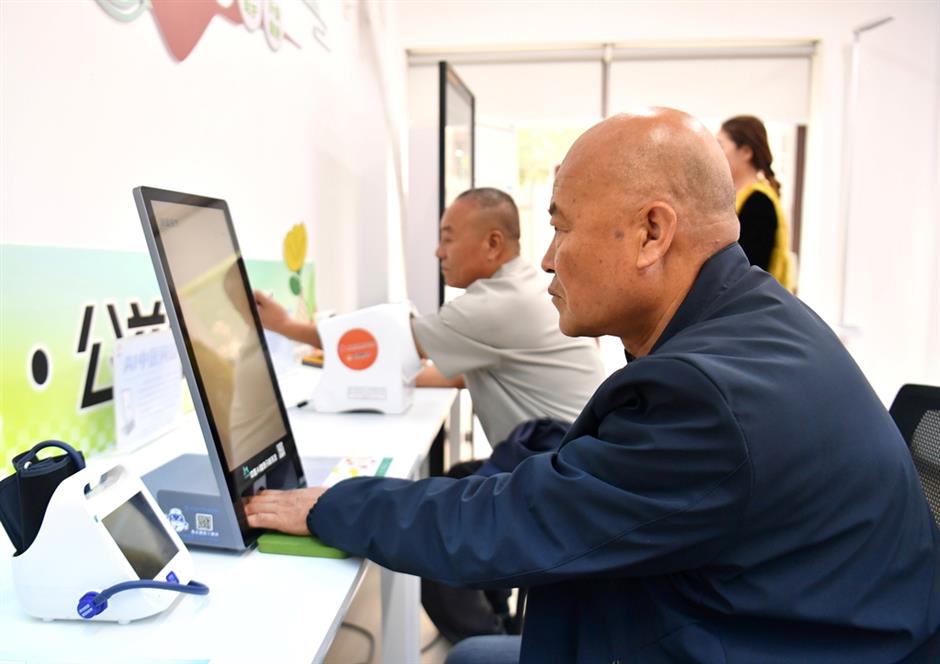
Credit: Imaginechina圖片來源:想像中國
Caption: AI is quickly deployed across China, by users of all ages.說明:人工智能在中國迅速普及,各年齡段用戶均有使用。
To answer that question, follow the money. AI assistants require substantial computing power to run, and that power comes at a cost. Who pays for it? Consumers? Brands? The platforms themselves?要回答這個問題,就得追蹤資金流向。AI 助手運行需要強大的計算能力,而這種能力是有成本的。誰來爲此買單?是消費者、品牌,還是平臺自身?
In most cases, it is the brands. That is a rational business model for the platforms because consumers are highly unlikely to be willing to pay extra for an AI shopping assistant. Thus, brands pay to have their products to be featured, giving the platform advertising income, while every product sold generates an additional commission.在大多數情況下,問題出在品牌身上。對平臺來說,這是一種合理的商業模式,因爲消費者幾乎不太願意爲人工智能購物助手額外付費。因此,品牌付費讓自家產品獲得推薦位,這爲平臺帶來了廣告收入,而每售出一件商品,平臺還能獲得額外的佣金。
As a result, click-through and conversion rates have become the two most important measures of an AI shopping assistant’s performance. What’s more, influence can also help brands sell more indirectly. A new marketing discipline known as “generative engine optimization” has emerged to help brands appear in AI-generated recommendations.因此,點擊率和轉化率已成爲衡量AI購物助手性能的兩個最重要指標。此外,影響力還能幫助品牌實現間接的增量銷售。一種名爲“生成式引擎優化”的全新營銷學科應運而生,助力品牌出現在AI生成的推薦內容中。
When an AI assistant recommends only four to six products per query, failing to make that shortlist is close to being invisible. In China, industry reports value this nascent market at more than 4 billion yuan (US$600 million).當人工智能助手每次查詢僅推薦四到六款產品時,若未能入選這份精簡清單,就幾乎等於無人問津。在中國,行業報告顯示這個新興市場的規模超過40億元人民幣(合6億美元)。
What do consumers gain in the process? Traditionally, online shoppers have relied on search boxes or recommendation feeds. Such advice is typically one-way and non-interactional. Whether you find something you like depends entirely on platform algorithms. Search requires keywords, usually no more than 10 words, and shoppers often have to try several variations before getting useful results.消費者在這一過程中能獲得什麼?傳統上,線上購物者依賴搜索框或推薦信息流。這類建議通常是單向且無互動性的。你能否找到心儀的商品完全取決於平臺算法。搜索需要輸入關鍵詞,通常不超過10個字符,而購物者往往需要嘗試多種變體才能獲得有用的結果。
An AI shopping assistant, on the other hand, offers a fundamentally different entry point – a conversation. Consumers can describe what they want in long, detailed sentences, giving the platform a far clearer picture of their needs and then allowing it to search vast product catalogs for the closest possible matches.而人工智能購物助手則提供了一種截然不同的入口——對話交互。消費者可以用冗長、詳細的句子描述自己的需求,這能讓平臺更清晰地瞭解其訴求,進而在海量商品目錄中搜索最匹配的結果。
This raises an obvious question: Are products recommended truly the best choices or is there an advertising bias built in? For independent AI platforms, the picture looks different. OpenAI describes product results in ChatGPT Shopping as “organic and unsponsored,” ranked by relevance rather than ad spending, while Perplexity says advertisers cannot buy their way into its recommendations. OpenAI began testing clearly labeled advertising in ChatGPT earlier this year – a reminder that such independence is a business choice, not a permanent guarantee.這就引出了一個顯而易見的問題:被推薦的產品真的是最佳選擇,還是其中暗藏了廣告偏向?對於獨立的人工智能平臺而言,情況則有所不同。OpenAI 將 ChatGPT 購物功能中的產品搜索結果描述爲“自然且無贊助”,其排序依據是相關性而非廣告投入;而 Perplexity 則表示,廣告商無法通過付費獲得其推薦列表中的位置。今年早些時候,OpenAI 開始在 ChatGPT 中測試帶有明確標識的廣告功能——這也提醒我們,這種獨立性只是一種商業選擇,而非永久的保障。
AI assistants built into e-commerce platforms do carry sponsored recommendations, making many consumers leery about trusting AI assistants with purchase decisions. A survey released by the Shanghai Consumer Council in June, based on 4,308 responses collected through the council’s WeChat account, found that while 85 percent of respondents said they had tried AI-powered product selection features, only 16 percent said they believed the recommendations accurately matched their needs.電商平臺內置的人工智能助手會推送付費推薦,這讓許多消費者不敢將購買決策交給人工智能助手。上海市消費者權益保護委員會於6月發佈的一項基於其微信公衆號收集的4308份反饋的調查顯示,儘管85%的受訪者表示曾嘗試過人工智能驅動的商品挑選功能,但僅有16%的受訪者認爲這些推薦能準確匹配自身需求。
Notably, a survey of more than 10,000 consumers by China’s National Business Daily ahead of this year’s mid-year shopping festival found that over 70 percent of respondents believe AI’s greatest value lies in optimizing supply chains and making goods cheaper, while only 16 percent wanted AI to handle shopping tasks like price comparison and product selection. In the same survey, 48 percent said AI’s role should be to save time and effort, not to take away the fun of shopping or eliminate the consumer’s final say.值得注意的是,《中國經營報》在今年年中購物節前夕對超1萬名消費者開展的一項調查顯示,超70%的受訪者認爲人工智能最大的價值在於優化供應鏈、降低商品價格,而僅有16%的受訪者希望人工智能來完成比價、選品等購物任務。在同一項調查中,48%的受訪者表示人工智能的作用應是節省時間和精力,而非剝奪購物的樂趣或剝奪消費者的最終決定權。
Consumers need a new kind of skill – call it AI literacy. Consumers should always ask who is paying. If an assistant or shopping tool discloses a commission or sponsorship, that information should factor into how the recommendation is judged. And any prices quoted by an AI assistant are best treated as unverified until checked against a retailer’s own page.消費者需要一種新的技能——可以稱之爲AI素養。消費者應當始終弄清楚是誰在付費。如果一款助手或購物工具披露了佣金或贊助信息,消費者在判斷其推薦時就應將這一信息納入考量。而且,在對照零售商自有頁面覈實之前,最好將AI助手給出的所有報價都視爲未經證實的信息。
One way to make AI shopping assistants more trustworthy is to build verification directly into them. Shanghai-based Dewu, for instance, uses an AI-powered authentication system to verify products before sale, and its overall rate of returned goods of around 5 percent stands far below the 35 percent typical of livestream e-commerce. When every AI judgment is traceable, consumers respond with trust.讓AI購物助手更值得信賴的一種方法是將驗證功能直接內置其中。例如,總部位於上海的得物就採用了AI驅動的認證系統,在商品銷售前進行覈驗,其整體退貨率約爲5%,遠低於直播電商35%的平均水平。當每一次AI判斷都可追溯時,消費者便會給予信任。
In China, a large number of shoppers continue to turn to social media – Xiaohongshu (RedNote), for example – to read other consumers’ first-hand experiences before making a decision. That habit may be another pointer to the future. If social media data can be effectively combined with AI shopping assistants, reviews and recommendations from real people might increase consumer trust. Until then, the wise consumer is the one who keeps asking an AI assistant a very human question: whose interests are you really working for?在中國,大量消費者在做決策前仍會轉向小紅書等社交媒體平臺,查看其他消費者的第一手體驗。這一習慣或許預示着未來的發展趨勢。若能將社交媒體數據與人工智能購物助手有效結合,真實用戶的評價和推薦或許能提升消費者的信任度。在此之前,明智的消費者會一直向人工智能助手提出一個極具人情味的問題:你真正爲誰的利益服務?
(The author is an assistant research fellow at the Institute of Information Science, Shanghai Academy of Social Sciences.)(作者爲上海社會科學院信息研究所助理研究員。)
Editor: Liu Qi 編輯:劉琦