140th Canton Fair draws record overseas buyer turnout
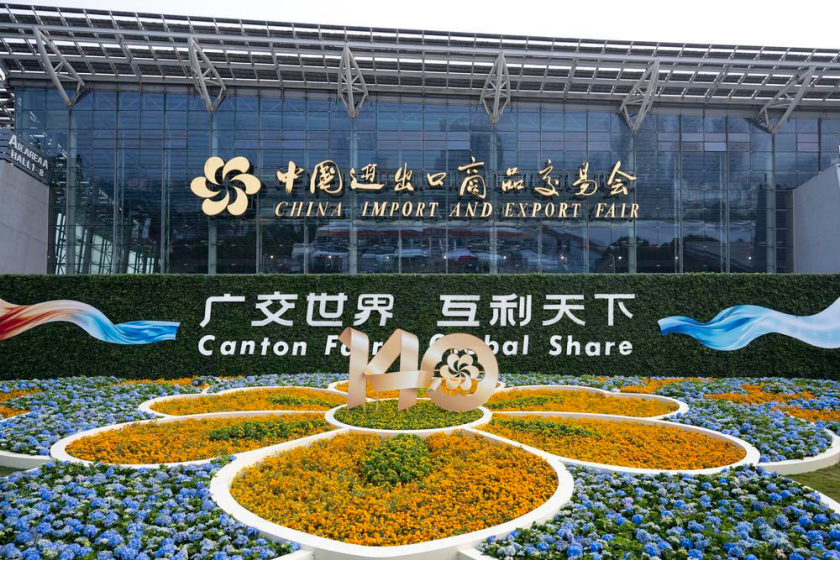
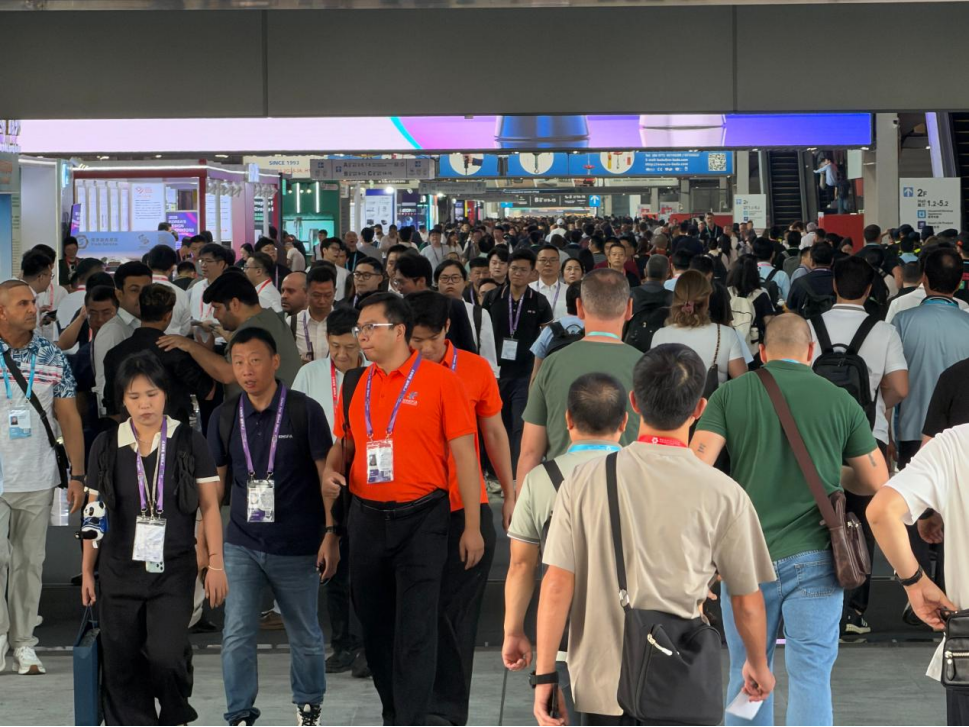
The first phase of the 140th China Import and Export Fair (Canton Fair) concluded in Guangzhou on October 19th. Amid rising unilateralism and protectionism, and frequent rhetoric of deglobalization, a set of figures provided the most solid response: during the first phase of the 140th Canton Fair (October 15th to 19th), 189,000 overseas buyers from 214 countries and regions attended the event, an increase of 13.3% over the same phase of the previous edition, hitting a record high for the same period.
At the same time, buyers no longer ask only about “unit prices.” From “selling products” to “selling solutions,” and from “shipping fully assembled products” to “establishing production lines,” a growing number of Chinese enterprises are bringing diverse solutions to the negotiating table. Among the 32,000 participating companies, nearly 20% have already invested and established an overseas presence, driving the creation of over 200,000 local jobs. Moving from trade exchanges to industrial partnerships, China is taking concrete actions to uphold the multilateral trading system, keep global industrial and supply chains stable and running smoothly, and continuously inject new momentum into world development and prosperity.
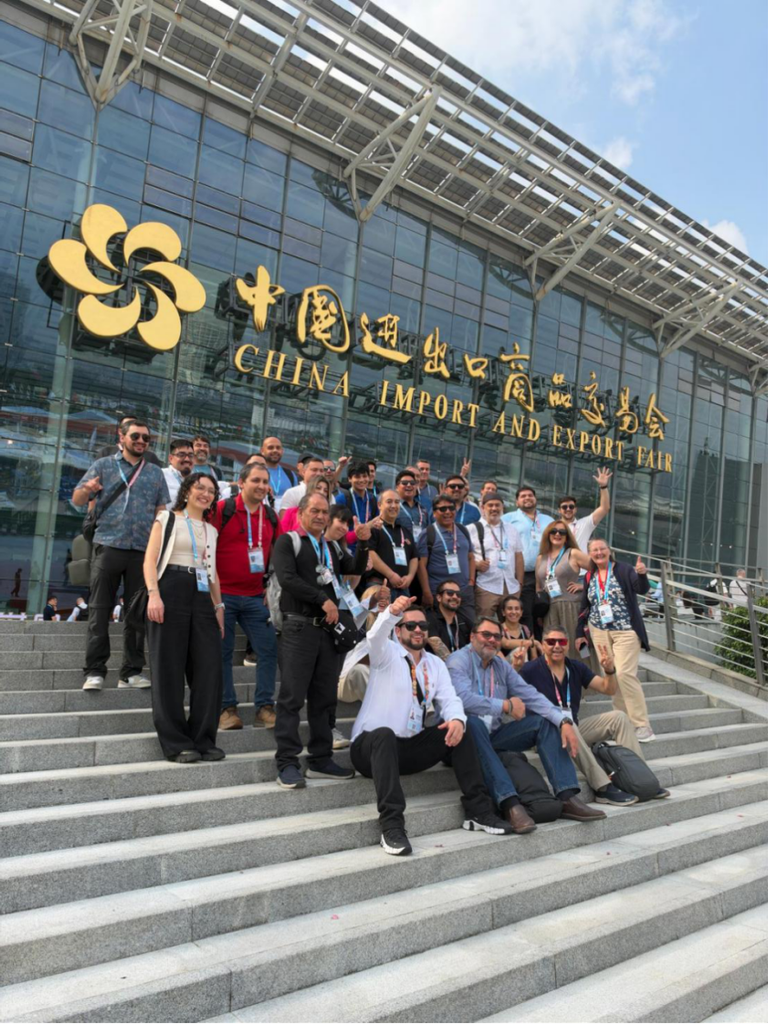
Industrial-capacity cooperation gains real traction
For a long time, the overseas expansion of “Made in China” has primarily relied on product exports. At this Canton Fair, an increasing number of companies no longer just displayed products, but made “how to build a production line overseas” the focus of their negotiations. At the Skyworth booth, a European distributor that previously imported about 10,000 fully assembled refrigerators from China each year has now shifted to importing core components, with Chinese engineers sent on-site to guide local production line setup, assembly, and recruitment, while small packaging materials are also sourced locally. Although the annual output remains around 10,000 units, trade in complete units has evolved into closer cooperation on components, technology, and engineering capabilities.
TCL’s practices have gone even further. The company established a joint venture with Brazilian partners, combining Chinese products and technology with local manufacturing and channel advantages; its Poland plant achieves an annual TV production capacity of 5 million units, enabling products to reach the European market within three to four days and creating hundreds of local jobs.
In the equipment manufacturing sector, at the booth of Guangzhou TECH-LONG Packaging Machinery Co., Ltd., an Uzbek buyer proposed introducing a complete dairy and beverage production line. The company responded by undertaking the entire process—from pretreatment, bottle blowing, and filling to labeling—leaving the local partner responsible only for the site and raw materials.
Data shows that among the participating enterprises in this session, 36.5% have shifted to a “product + service” business model, and nearly 20% have carried out outward foreign direct investment, driving over 200,000 jobs overseas.
Innovation energizes global markets
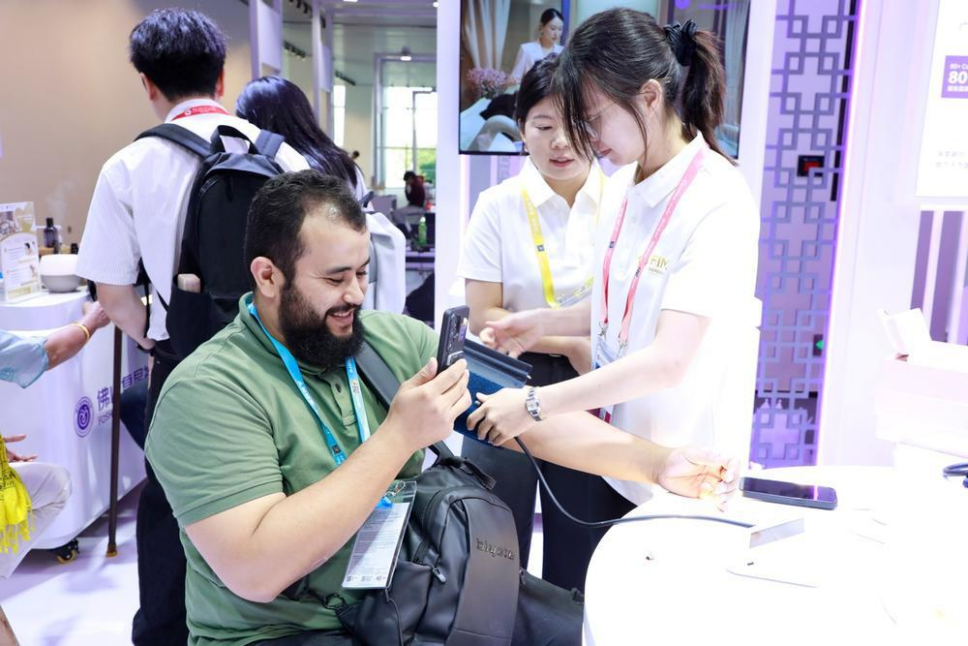
The service robots exhibition area was bustling with activity. Long queues formed in front of exoskeleton robots as buyers took turns trying them on to experience walking and stair-climbing assistance. An overseas buyer with mobility challenges donned the exoskeleton robot, stood up, and took a few steps on the spot, prompting the accompanying family member to immediately place an order for the device. Linking brain-computer interfaces with exoskeletons, RoboCT Technology offers solutions for rehabilitation, mobility aids, and industrial support, entering European, American, Middle Eastern, and Southeast Asian markets under its own brand.
Bionic robots and companion robots were equally eye-catching. A Dubai buyer plans to introduce companion robots to local schools, while a Chilean buyer held talks about becoming a distributor for high-altitude cleaning robots. Many new products were not built to meet existing demand, but to spark entirely new needs once seen by buyers. Exoskeletons are transitioning from laboratories into everyday use, energy storage is expanding from industrial and commercial sectors to balcony photovoltaic applications, and AI products are shifting toward full-stack system solutions that integrate hardware, algorithms and services.
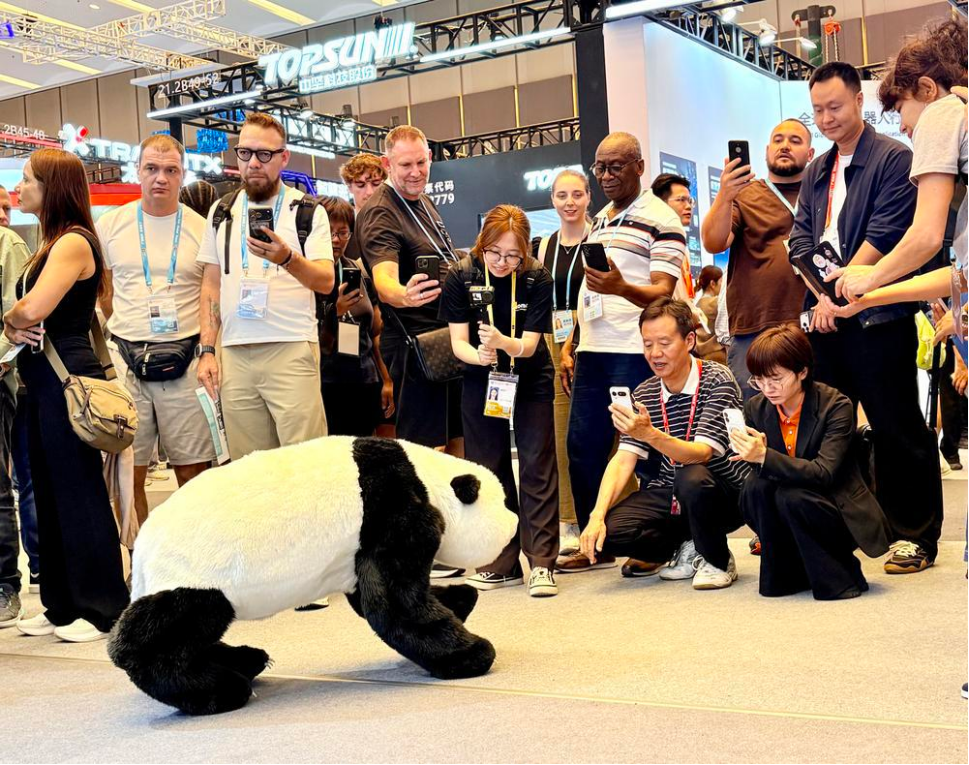
The first phase of this Canton Fair exhibited 235,000 AI-related products, with over 20,000 enterprises applying industrial internet or artificial intelligence technologies. The quantities of new products, AI products, and green products increased by 6.7%, 20.5%, and 13.5%, respectively, compared to the previous session, with many prototypes securing overseas cooperation intentions even before hitting the market.
Market capacity is never a fixed pie. Exoskeletons unlock latent needs for mobility aids, while energy storage opens up off-grid power solutions—demonstrating how innovation creates demand when technology meets practical applications. This logic was fully on display at the Canton Fair: as China moves from “Made in China” toward smart manufacturing, Chinese innovation is delivering fresh momentum to global markets.
As the first phase of the Canton Fair wraps up, the second and third phases will run sequentially through November 4th. With a history spanning nearly 70 years, Canton Fair serves not only as a barometer of China’s foreign trade, but also as a microcosm of its high-level opening-up. While negotiations on the exhibition floor will eventually conclude, the industrial collaboration set in motion here has only just begun.
BY: Zengxiao